
女生名叫黄蒲军校
硬科技赛道迎来IPO热潮 超30家险资通过私募基金提前布局_我的网站

A | 硬科技赛道迎来IPO热潮超30家险资通过私募基金提前布局 人民财讯8月26日电,长鑫科技、宇树科技、频准激光……近期,人工智能(AI)、高端芯片等代表新质生产力的硬科技赛道迎来首发(IPO)热潮,这些硬科技企业背后均出现险资投资人身影,险资参与力度空前。 据证券时报记者不完全统计,超过30家险资机构通过私募基金提前对这些硬科技项目进行投资布局。 在政策引导与资产配置压力双重驱动下,万亿险资正在形成一二级市场双向渗透的投资格局。
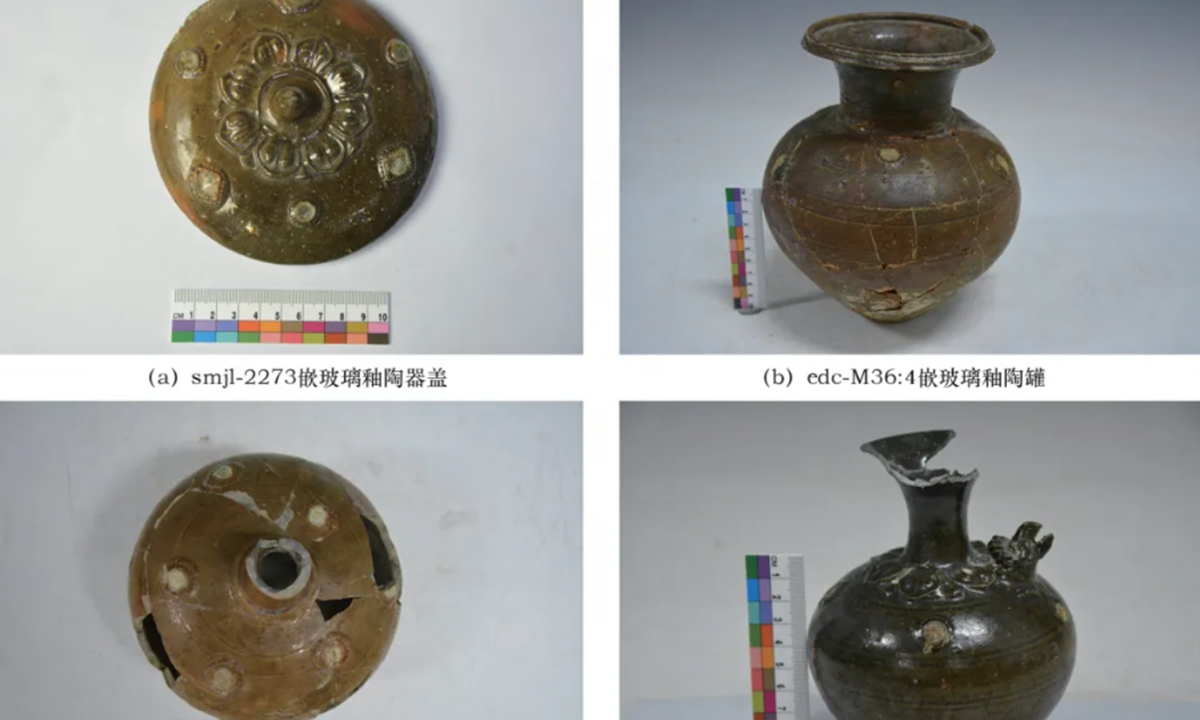
Systematic analysis conducted by the institute of pottery wares dating back to the Pingcheng period of the Northern Wei Dynasty (386-534) has identified distinct foreign cultural and technological elements embedded in the craftsmanship and material composition of the unique artifacts, shedding fresh light on ancient Eurasian cultural integration.
Established by the Tuoba Xianbei ethnic group, the Northern Wei Dynasty designated Pingcheng, present-day Datong city in Shanxi Province, as its capital from 398 to 494. For nearly a century, the city served as a pivotal multicultural hub where Xianbei nomadic culture, Central Plains Han culture and diverse Western Regions civilizations converged and interacted, according to a report on Chinanews.com.cn.
Archaeological excavations at multiple tomb clusters in Pingcheng, including the Dongxin Northern Wei cemetery and the Qilicun cemetery, have yielded a total of eight pieces of glass-inlaid glazed pottery. Though far fewer in number compared with common glazed pottery figurines and painted glazed wares, these artifacts feature an extremely rare inlay technique unseen elsewhere in the developmental history of Chinese ceramics, according to the press release.
Given the exceptional rarity and good preservation of the relics, researchers selected four representative pieces for comprehensive laboratory testing and material analysis. The results show that the glass inlays are primarily soda-alumina glass, most likely produced by remelting trade beads from the Indian Ocean and Pacific regions, a key commodity in ancient maritime and overland trade networks.
The findings confirm that Pingcheng maintained frequent cross-border trade and cultural communication during the Northern Wei era, with access to glass raw materials sourced from diverse overseas regions. The varied compositional characteristics of the inlaid glass provide crucial clues for studying ancient glass-making technologies, raw material circulation and long-distance trade routes in ancient East Asia, the press release noted.
Beyond material composition, the artifacts also embody prominent cross-cultural innovation in design. Their decorative motifs draw heavily on gem-encrusted gold and silver wares of the Sasanian Persian Empire, while integrating artistic elements from other Eurasian regions. The blended design styles reflect the era's prevailing trend of multicultural fusion and creative assimilation of foreign civilizations.
Archaeologists noted that the glass-inlaid glazed pottery represents an innovative technological achievement crafted by Northern Wei artisans who absorbed and refined foreign techniques and aesthetics. The distinctive craftsmanship and stylistic features of these wares exerted a far-reaching influence on ceramic production in surrounding regions and subsequent dynasties, marking a vital chapter in the evolution of ancient Chinese ceramic art.
The research underscores that ancient China's northern borderland was not an isolated cultural enclave, but an active node in Eurasian cultural and trade exchanges, where foreign elements were localized and innovated to form unique regional civilizational achievements, archaeologists from the Shanxi Provincial Institute of Archaeology said.
。硬科技龙头背后,险资已经成为不可或缺的长期资本力量。 截至2026年6月末,保险资金运用余额已超过40万亿元。

B | 。
Current article:http://n66bv.guizhuanguchuanluanzhoudi.shop/l0fq9ty/q2m.html
Published on:14:31:01
独立日_Random reading
- 08-21美记:湖人大概率出哈迪和克内克特换库明加 公牛或成第三方
- 08-20重要会议透露的5个线索
- 08-26国家防总、应急管理部针对浙闽防汛防台风应急响应升至三级
- 08-26在新加坡如何更新疫苗记录?请收好这份指南
- 08-25Germany Returns Artifacts Seized During Colonial Rule to Three African Nations
- 08-20布莱顿队史卖人榜top10:巴莱巴以7590万欧列第二,仅次于凯塞多
- 08-21山东发布台风蓝色预警,青烟威等8市有暴雨局部大暴雨
- 08-21累计运营超2.2亿公里 新石器创始人首提“1000万辆无人车+1亿个机器人”目标
- 08-25英伟达 战略入股电力开发商!锁定AI工厂的“电力第一公里”
- 08-26Nvidia GTX 1660 Ti曝光:1536流处理器,80%RTX 2060性能

宅男_Active users
- OpenAI 发布适用于 ChatGPT Work 和 Codex 的 Admin 插件,管理员可通过对话管理用户和权限
- 可控核聚变概念盘初走强,融发核电涨停
- 컴투스 신작 MMORPG '제우스' 정식 서비스…양대 앱마켓 1위
- 「まさか出るとは…」G1開幕戦は悪夢再現ならず「買えない」「怖すぎて」連覇コスタノヴァの選択に苦悩の声
- 厦门园博苑上新专属文创和亲子骑行
- 黄氏刀法惨烈翻车 RTX 4080 12GB被喷到取消发布
- 科前生物:上半年归母净利润1.16亿元,同比下降47.37%
- AI解码人类基因关键DNA“起始子”序列特征
- 招商银行:选举李云贵为副董事长
- 未来实现回收后成本仅SpaceX一半!力箭二号遥二运载火箭顺利出厂 10月发射
- 利好来了!上海印发重要规划
- 闹了几十年独立的魁北克,突然不想脱离加拿大了?
- 回应球真牛!雷蒙攻防都有贡献 9中4&三分4中2拿到11分4前场板
- 微信产品团队回应“微信方言活动出现不合常理字句”:已经对文本库进行了仔细清理,剔除不靠谱内容
- 448名,不限户籍!杭州警队公开招聘
- gaems已经推出了一个游戏机的手提箱,主机不再担心丢失粉末。
- 科创50指数跌幅扩大至4%
- 微信年度数据被询问监控聊天,腾讯回应
欢乐颂_Hottest this week
- 女生名叫黄蒲军校 copyright
- Some of the content comes from the Internet. If you have any offence, please raise it.